
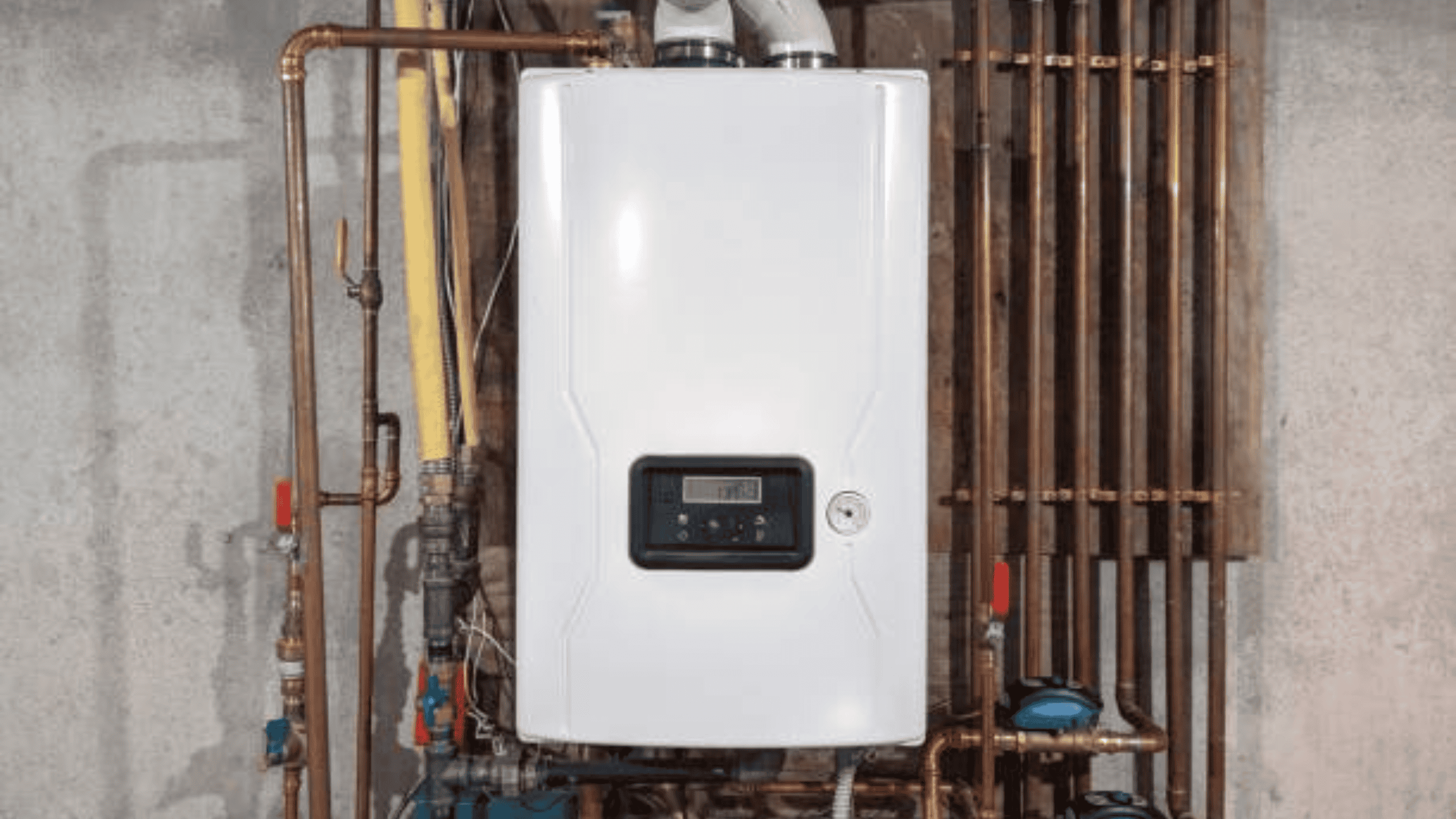
Choosing between a traditional tank and a tankless water heater can affect your home’s comfort, energy use, and long-term expenses. When comparing tank vs tankless water heater options, it is important to look beyond the purchase price.
Both systems can provide reliable hot water, but they work differently. A traditional tank stores and heats a set amount of water, while a tankless unit heats water as it is needed. Your household size, hot water habits, available space, budget, and energy goals can all influence which system makes more sense.
This guide compares the main differences between these hot water systems to help you make a practical decision.
How Tank Water Heaters Work
A traditional tank water heater stores a supply of heated water inside an insulated tank. The system continuously maintains the water at a set temperature so hot water is available when a tap or shower is turned on.
The main advantage is simplicity. Tank systems are familiar to homeowners, widely available, and generally straightforward to install and service. They also provide a reserve of hot water for periods of higher demand.
However, storing hot water requires energy even when nobody is using it. These standby losses can affect overall energy efficiency, particularly when the system is older or poorly insulated. The Department of Energy notes that storage water heaters can experience standby losses because energy is used to maintain the stored water temperature.
How Tankless Water Heaters Work
A tankless water heater does not keep a large reservoir of hot water. Instead, the unit activates when there is a demand for hot water and heats the incoming water as it passes through the system.
This on-demand design eliminates the standby heat losses associated with storing hot water. However, the unit needs to be correctly sized for the home’s maximum flow rate and the required temperature rise.
For a household that wants to reduce wasted energy and has suitable water and gas or electrical connections, a tankless system can be an attractive option.
Tank vs Tankless Water Heater: Key Differences
When comparing a tank vs tankless water heater, several factors deserve attention.
Initial Cost
Traditional tank water heaters usually have a lower upfront cost, making them appealing to homeowners working with a limited replacement budget. The installation process can also be simpler when replacing an existing tank with a similar model.
Tankless systems can cost more initially. Depending on the home and existing infrastructure, installation may require additional venting, electrical work, gas-line adjustments, or other plumbing upgrades.
The lower initial cost of a tank system does not necessarily mean it will be the least expensive choice over its entire service life. Homeowners should consider both installation costs and expected operating expenses.
Energy Efficiency
Energy efficiency is one of the biggest reasons homeowners consider tankless water heaters. Because a tankless unit heats water only when there is demand, it does not need to maintain a large volume of stored hot water.
Traditional tank systems can lose some heat through the tank even when hot water is not being used. Tankless systems avoid this particular standby loss.
However, actual energy savings depend on the equipment, fuel type, household usage, water temperature, and installation. Choosing an appropriately sized and efficient model is more important than assuming one system will always be cheaper to operate.
Hot Water Availability
A tank water heater has a defined storage capacity. Once the stored hot water is used, the system needs time to heat more water.
This can become noticeable when several family members shower, run the dishwasher, and use hot water at roughly the same time. A properly sized tank can still meet substantial demand, but capacity must be considered.
Tankless systems can provide continuous hot water while there is sufficient flow and heating capacity. However, they are not unlimited. If several fixtures operate simultaneously, the unit must have enough capacity to handle the combined flow and required temperature rise.
For this reason, household water demand should be a major part of the decision.
Space Requirements
Tank water heaters require floor or closet space for the storage cylinder. This can be a disadvantage in smaller homes or utility areas where space is limited.
Tankless units are generally more compact and can be mounted on a wall. Their smaller footprint may create additional flexibility for homeowners who want to free up storage or utility space.
Installation Requirements
Replacing an existing tank with another tank model may involve fewer changes to the home’s existing setup. However, every installation should be evaluated based on the specific equipment, fuel source, venting, and local requirements.
Tankless water heater installation can involve more planning. Gas-powered units may require appropriate gas supply and venting, while electric models may have significant electrical requirements.
A professional assessment can determine whether the home’s current infrastructure can support the selected system or whether additional plumbing upgrades are necessary.
Which System Is Better for Your Household?
There is no universal winner in the tank vs tankless water heater comparison. The better choice depends on how your family uses hot water.
A tank water heater may be suitable if you want a lower upfront investment, prefer a familiar system, and have enough space for a storage tank. It can also be practical for households whose hot water demand is predictable and moderate.
A tankless system may make sense if you have limited space, want on-demand hot water, and are interested in reducing standby energy losses. It can be particularly appealing when replacing an older system and planning for long-term efficiency.
Your household’s daily routine matters. A family of two with relatively low hot water demand may have different requirements from a larger family with multiple bathrooms and several people using hot water at the same time.
Consider Long-Term Costs, Not Just Installation Price
The initial price is only one part of the decision. Long-term costs can include energy consumption, maintenance, repairs, replacement parts, and eventual system replacement.
A more efficient system may cost more upfront but could provide operating savings over time. The Department of Energy recommends considering anticipated water usage when comparing water heating options because energy savings can vary with the amount of hot water a household uses.
Maintenance should also be considered. Both types of water heaters require appropriate care, and the manufacturer’s maintenance recommendations should be followed.
When estimating potential utility savings, compare the expected energy use of the specific models you are considering rather than relying only on general claims about tankless technology.
What About Plumbing Upgrades?
Changing from a tank to a tankless system may involve more than simply removing the old heater and connecting a new one.
The existing gas line, electrical supply, water connections, venting, and installation location may need to be assessed. In some homes, these components can support the new system with minimal changes. In others, upgrades may be necessary.
This is why professional evaluation is important before choosing a model. Understanding installation requirements in advance helps prevent unexpected costs and ensures the system is properly matched to your home.
How to Choose the Right Water Heater
Start by looking at your household’s actual hot water usage. Consider how many people live in the home, how many bathrooms you have, when hot water is typically used, and whether multiple fixtures operate simultaneously.
Next, consider your available installation space and existing utility connections. If you are replacing an older water heater, the condition of your current plumbing and venting should also be evaluated.
Finally, compare the purchase price, installation requirements, efficiency, expected maintenance, and potential utility savings. Looking at the complete cost rather than one factor can make the decision much easier.
Conclusion
The choice between a tank vs tankless water heater ultimately comes down to your family’s hot water needs, budget, home infrastructure, and long-term priorities. Tank systems offer familiar technology, straightforward replacement, and a stored supply of hot water. Tankless systems provide on-demand heating, compact installation, and the potential to reduce standby energy losses.
Before making a decision, compare your household water demand, installation requirements, energy efficiency, maintenance needs, and expected long-term costs. A professional water heater assessment can help you choose a system that provides reliable hot water while fitting your home’s needs and budget.
Contact us today to discuss your water heating needs and find the right hot water system for your home.
Frequently Asked Questions
1. Is a tankless water heater more energy efficient than a tank?
A tankless system can be more energy efficient because it does not continuously maintain a large volume of stored hot water. However, actual efficiency depends on the model, fuel type, household usage, and installation.
2. Does a tankless water heater provide unlimited hot water?
A tankless unit can provide hot water continuously while operating within its capacity. Its performance depends on flow rate, incoming water temperature, and the amount of hot water being used simultaneously.
3. Is a tank water heater cheaper to install?
In many cases, a traditional tank water heater has a lower initial installation cost, especially when replacing an existing tank with a similar model. Tankless installations may require additional modifications.
4. Which water heater is better for a large family?
A large family should focus on peak household water demand rather than simply choosing a tank or tankless system. A correctly sized system is essential when multiple fixtures may require hot water at the same time.
5. Does switching to tankless require plumbing upgrades?
It can. Depending on the existing setup, a tankless system may require changes to gas supply, electrical service, venting, or other connections. A professional assessment can identify the required upgrades.