
Choosing the right cooling system can make a major difference in your home’s comfort, energy use, and indoor temperature. For homeowners who do not have existing ductwork or want to cool specific areas more efficiently, a ductless air conditioner can be a practical solution.
However, choosing a ductless AC involves more than selecting a unit based on price. You need to consider the size of the space, the number of rooms you want to cool, insulation, sun exposure, efficiency, and how you plan to use the system.
If you are wondering how to choose a ductless air conditioner, the best approach is to start with your home’s specific cooling needs and then compare systems based on capacity, configuration, efficiency, and features.
What Is a Ductless Air Conditioner?
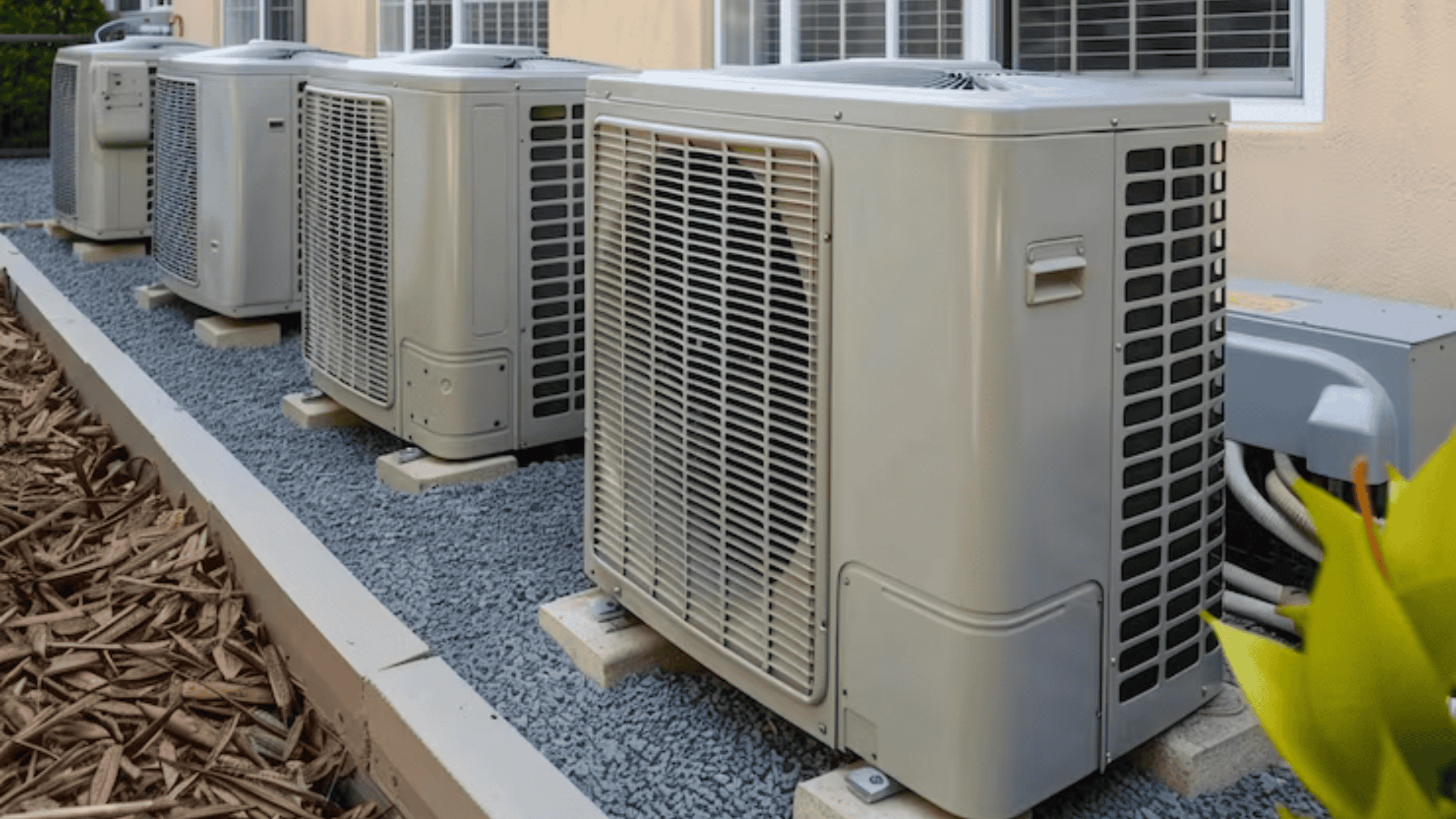
A ductless air conditioner, often called a mini split system, provides cooling without requiring a network of air ducts. A typical system has an outdoor condenser connected to one or more indoor air handling units.
The indoor units deliver conditioned air directly into the rooms or zones they serve. This makes ductless cooling particularly useful for homes without ductwork, room additions, finished spaces, garages, or areas that need more targeted temperature control.
A single-zone system is designed to cool one main area, while a multi-zone system can connect multiple indoor units to one outdoor unit. The right configuration depends on the layout of your home and which areas require cooling.
Start With the Size of the Space
One of the most important factors in air conditioner selection is cooling capacity. Ductless systems are available in different capacities, generally measured in BTUs per hour. The correct capacity depends on the amount of heat entering the space.
Square footage provides a useful starting point, but it should not be the only consideration. Insulation, ceiling height, windows, sunlight, and room usage can all affect cooling requirements.
A unit that is too small may have difficulty maintaining your desired temperature during hot weather. On the other hand, an oversized system can cool the space too quickly and cycle off before adequately controlling humidity.
For this reason, professional sizing is recommended before purchasing a mini split system. A qualified HVAC professional can evaluate the space and determine an appropriate cooling capacity.
Consider Your Home’s Layout
The layout of your home should also influence your choice. If you only need cooling in one bedroom, home office, basement, or addition, a single-zone ductless system may be appropriate.
If several rooms need independent temperature control, a multi-zone system may be a better option. Multi-zone systems allow multiple indoor units to connect to a single outdoor unit, with each zone serving a particular area of the home.
Think about how your family uses each room. If different areas have different cooling needs, separate zones can provide more control than trying to cool the entire home from one location.
Look at Insulation and Sun Exposure
Two rooms with the same floor area may have very different cooling requirements. A well-insulated room generally holds conditioned air better than a poorly insulated space.
Windows are another important consideration. Large windows, particularly those exposed to significant sunlight, can increase the amount of heat entering a room. Higher ceilings can also affect the cooling load because there is more air volume to condition.
When choosing a ductless AC, consider the actual characteristics of the room rather than relying only on its square footage. These details help determine the appropriate capacity and system configuration.
Decide Between Single-Zone and Multi-Zone Cooling
The number of areas you want to cool is a major part of the decision.
Single-Zone Ductless AC
A single-zone system uses one indoor unit and one outdoor unit. It can work well when you need targeted cooling for one room or area.
This can be useful for a home addition, bedroom, office, basement, or other space that needs additional cooling without installing ductwork throughout the property.
Multi-Zone Mini Split System
A multi-zone mini split system connects several indoor units to one outdoor condenser. Each indoor unit can serve a different room or zone.
This configuration may be useful when multiple rooms require cooling but you still want individual temperature control. However, the system must be properly sized to handle the combined requirements of the zones.
Compare Energy Efficiency
Energy efficiency should be another consideration when selecting a ductless air conditioner. A more efficient system can help reduce the electricity required to provide the cooling your home needs.
When comparing systems, look at the manufacturer’s efficiency ratings and consider how the system will be used throughout the cooling season. Do not choose a system based solely on its highest efficiency rating. The overall match between system capacity, home requirements, and installation quality also matters.
An appropriately sized and professionally installed system can provide more consistent performance than a system selected simply because it has a high efficiency rating.
Think About Your Comfort Preferences
Modern ductless systems can offer more control than simply turning cooling on or off. Depending on the model, features may include variable-speed operation, programmable controls, remote access, sleep settings, and different fan modes.
Consider which features you are actually likely to use. If you want different temperatures in different rooms, zoning may be more valuable than advanced controls. If you frequently adjust your temperature settings, a convenient remote or smart control may be useful.
The best system is one that fits both your home’s cooling requirements and your everyday preferences.
Consider Where the Indoor Unit Will Be Installed
Indoor unit placement can affect how effectively cool air moves through the room. The unit needs to be positioned so that air can circulate properly without being blocked by furniture, walls, or other obstacles.
Appearance may also matter. Ductless indoor units are visible within the room, so homeowners should consider where the unit can be installed without interfering with the room’s design or function.
Your HVAC professional can help identify suitable locations based on airflow, room layout, installation requirements, and the location of the outdoor unit.
Evaluate the Installation Requirements
Choosing a ductless system is only part of the process. Proper installation is essential for reliable performance.
The installer needs to determine suitable locations for the indoor and outdoor units, plan the refrigerant line connection, evaluate electrical requirements, and ensure the system is installed according to manufacturer specifications.
A professional installation can also help ensure that the system is correctly sized and configured for the areas you want to cool.
Do Not Choose Based on Price Alone
It can be tempting to select the least expensive ductless AC system available. However, the initial purchase price is only one part of the total cost.
Consider the system’s efficiency, installation requirements, expected maintenance, operating costs, and suitability for your home. A system that is inexpensive to purchase but poorly matched to the space may not provide the comfort or efficiency you expect.
Instead, compare the overall value of each option based on your home’s needs.
Common Mistakes to Avoid When Choosing a Ductless AC
One common mistake is choosing a system based only on square footage. Although room size matters, insulation, windows, ceiling height, sunlight, and layout can also affect cooling requirements.
Another mistake is assuming that a larger unit will always provide better cooling. Oversizing can lead to inefficient cycling and poor humidity control.
Homeowners should also avoid overlooking installation. Even a high-quality ductless AC may not perform as expected if it is incorrectly sized, poorly positioned, or improperly installed.
Taking the time to assess your home before purchasing can help you avoid these problems.
How to Choose a Ductless Air Conditioner for Your Home
If you are still deciding which system is right for your property, start by identifying the rooms that need cooling. Measure the areas, consider insulation and sun exposure, and determine whether you need one zone or several.
Next, consider the capacity, efficiency, available features, indoor unit placement, and installation requirements. Rather than selecting a system based on a basic sizing chart alone, have an HVAC professional evaluate your home’s cooling load.
This approach can help you select a ductless air conditioner that provides the right balance of comfort, efficiency, and performance.
Conclusion
Knowing how to choose a ductless air conditioner starts with understanding your home’s specific cooling needs. Room size, insulation, windows, sunlight, layout, zoning requirements, efficiency, and installation all play a role in selecting the right system.
A single-zone ductless AC can be a practical choice for one room, while a multi-zone mini split system may provide better control when several areas need cooling. Most importantly, proper sizing and professional installation can help your system deliver consistent and efficient ductless cooling.
If you are considering a ductless system for your home, evaluating your space and discussing your requirements with an experienced HVAC professional can help you make a more informed air conditioner selection. Contact Five Star Heating today to discuss your ductless cooling needs and find the right system for your home.
Frequently Asked Questions
1. Is a ductless air conditioner good for a home?
Yes. A ductless air conditioner can be a useful option for homes without existing ductwork or for specific rooms that need targeted cooling. The right system depends on the home’s layout, size, insulation, and cooling requirements.
2. How do I know what size ductless AC I need?
The required size depends on more than square footage. Insulation, ceiling height, windows, sunlight, room layout, and other factors can affect the cooling load. Professional sizing is the best way to determine the appropriate capacity.
3. Is a mini split system better than central air conditioning?
Neither system is automatically better for every home. A mini split system can be advantageous when ductwork is unavailable or when homeowners want room-by-room cooling. Central air may be more suitable when a home already has an appropriate duct system.
4. Can one ductless AC cool multiple rooms?
A single indoor unit is generally intended to cool its designated zone. If multiple rooms need independent cooling, a multi-zone system with multiple indoor units may be more appropriate.
5. How long does a ductless air conditioner last?
The lifespan of a ductless system depends on factors such as equipment quality, installation, usage, maintenance, and operating conditions. Regular professional maintenance can help support reliable performance over time.